Using accounting in manufacturing to improve product pricing str
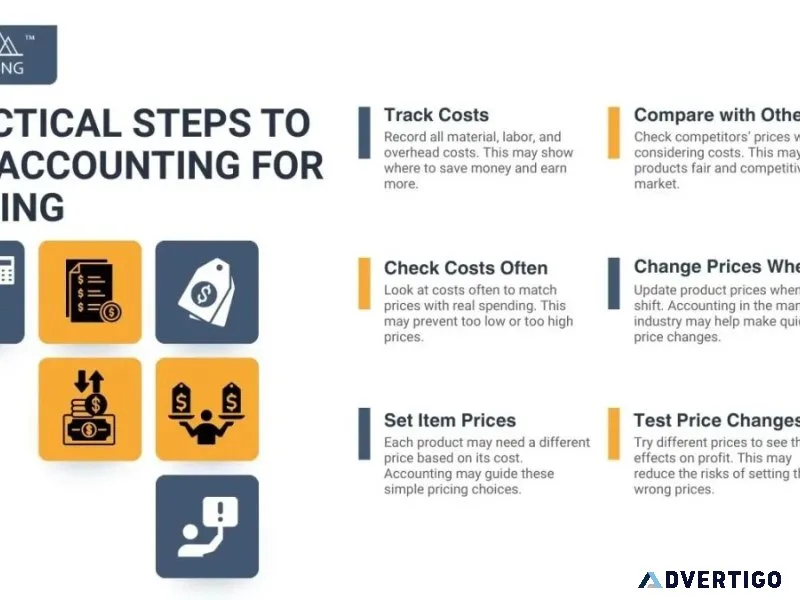
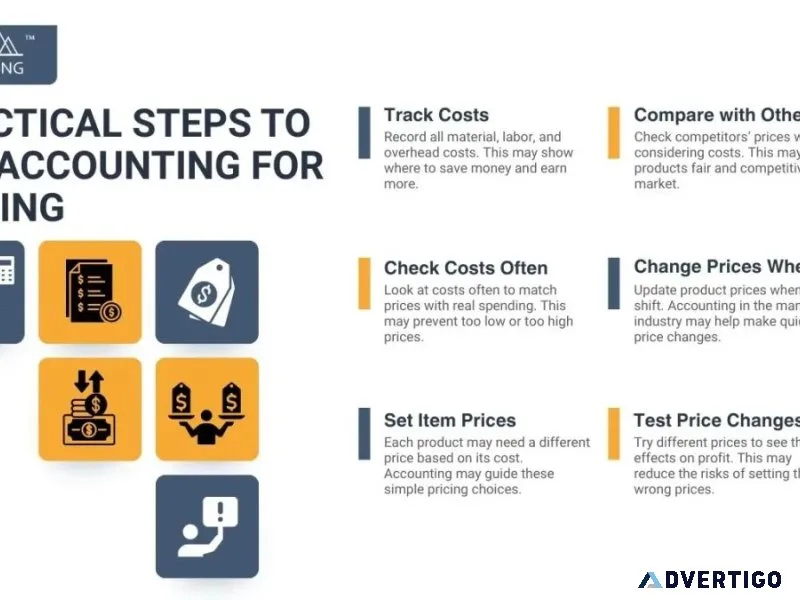
Setting the right price in manufacturing is not always easy. Companies must balance production costs, competition, and profit goals. This is where good accounting becomes a powerful tool. By tracking the cost of materials, labor, and factory operations, manufacturers can understand their true expenses and set prices that make sense. Manufacturing costs are not always obvious. Raw materials, machine maintenance, wages, and factory utilities all add to the total cost of making a product. Accounting brings all these numbers together and helps businesses price their products correctly while staying profitable. Understanding Accounting in the Manufacturing Industry Manufacturing accounting tracks every cost related to production. It gives a clear picture of where money is spent and how each cost affects pricing. Key Components • Direct Materials: Costs of raw materials used in production. Tracking these closely helps reduce waste and control spending. • Direct Labor: Wages paid to workers who make the products. Accounting helps measure whether labor is used efficiently. • Manufacturing Overheads: Factory expenses—rent, utilities, repairs, and maintenance. Monitoring overhead ensures product prices are fair and accurate. • Inventory Accounting: Keeps track of raw materials, work in progress, and finished goods. Proper inventory management avoids extra expenses and helps protect profit. • Cost of Goods Manufactured: Shows the total cost of producing goods in a period. This helps the business understand true production spending. How Accounting Helps Improve Pricing Cost-Based Pricing Accounting removes guesswork from pricing. It shows actual costs so businesses can set prices that cover expenses and make a profit. Product-Level Insights Some products cost more than others to make. Accounting shows which items are expensive and may need a price adjustment or efficiency improvement. Pricing Approaches Supported by Accounting Direct Costing — Minimum Price Strategy Direct costing includes only materials and labor. It helps identify the lowest price you can charge without losing money. Benefits: • Prevents selling below cost • Highlights products that need cost reduction • Useful for short-term offers and seasonal discounts Absorption Costing — Full Cost Coverage Absorption costing includes all production costs: materials, labor, and overhead. Benefits: • Helps avoid long-term losses • Supports stable pricing • Encourages planning based on total expenses How Accounting Supports Pricing Decisions Cost Analysis Shows where money is spent and reveals areas where waste can be cut. Break-Even Analysis Calculates the minimum sales needed to cover costs. Helps plan production and pricing targets. Profit Margin Review Shows which products bring the highest profit and which need improvement. Inventory Valuation Ensures products are priced based on actual cost, not estimates. Cost Trend
-
श्रेणी: लेखांकन/प्रबंधन
महत्वपूर्ण!
Advertigo पर बहुत सारे विज्ञापनदाता हैं। हम उन्हें एक-एक करके जाँच नहीं कर सकते।
आप अपनी मेहनत की कमाई के लिए एक भरोसेमंद कंपनी चाहते हैं। इसीलिए हम आपको धोखाधड़ी से बचाने में मदद करना चाहते हैं। इस अनुभाग में आपको जानकारीपूर्ण सुझाव और अन्य उपयोगी सामग्री मिलेगी जो आपको सतर्क रहने और ठगों के शिकार होने की संभावना को कम करने में मदद करेगी।
कृपया समझें कि Advertigo.net खरीदारों और विक्रेताओं को एक-दूसरे को खोजने में मदद करने के लिए एक निःशुल्क सेवा है। Advertigo.net किसी भी लेन-देन में शामिल नहीं है और हमारे उपयोगकर्ताओं की गतिविधियों पर नजर नहीं रख सकता।
उपयोगी लिंक
समान विज्ञापन
Erp implementation and finance services consulting
Contetra, the best virtual CFO services provider in Mumbai! Specializing in serving small firms, our
Contetra Private Limited
Manufacturing erp software
GSUS Software provides ERP and digital solutions for businesses, with focus on Odoo ERP implementation,
Srikanth Nm

Best ca in hyderabad ca dhiraj ostwal
CA Dhiraj Ostwal & Associates offers professional CA services in Hyderabad. Get expert Income Tax
Dhiraj

Online maths tuition for class 6 best tuition classes for clas
Looking for reliable online Maths tuition for Class 6? Ziyyara offers experienced tutors, engaging live
Ziyyara Edutech
 10,000 INR
Best ca for income tax return in gurgaon online filing
Tax season has a funny way of sneaking up on people. One minute you're enjoying
Sujeetchoudharyandassociates

Best budget management software for indian companies
Looking for a reliable budget management software in India? PACT REVENU helps businesses plan budgets,
Pactsoft

Chartered accountant firm in india for audit and tax solutions
Good financial management helps businesses stay organized, meet compliance requirements, and make informed decisions. A
Hco & Co.
 1,000 INR
Accounting and taxation support from a ca firm in delhi
Accurate accounting and proper tax management are important aspects of maintaining sound financial records. Neeraj
Neeraj Bhagat & Co.
 19,999 INR
Online degree admission in tamil nadu choose the course that f
Planning to continue your higher education with flexible learning? Students searching for the Best online
Jenisha A
Private limited company registration
Start your business with a strong and legally recognized structure through Private Limited Company Registration...
Dalmaf Seo