
Which is better for indian companies: private placement or prefe
Many entrepreneurs and finance professionals often ask which is better for Indian companies: private placement or preferential allotment when planning capital raising. Both options are legally recognized under the Companies Act, 2013, and are widely used by startups, SMEs, and growing enterprises. However, the suitability of each method depends on compliance requirements, investor type, and long-term business goals. Introduction Raising capital is a critical milestone for any Indian company. Choosing the right funding route affects ownership structure, regulatory burden, and future scalability. Private placement and preferential allotment are structured methods that allow companies to issue securities without going public, but understanding their differences is essential for informed decision-making. Understanding Private Placement Private placement refers to offering securities to a selected group of investors rather than the general public. It is commonly used by companies seeking funds from institutional investors, venture capital firms, or high-net-worth individuals. Key Features of Private Placement Private placement involves issuing shares or debentures to a limited number of investors, subject to strict compliance and disclosure norms. It offers flexibility but requires adherence to regulatory timelines. What Is Preferential Allotment? Preferential allotment is the issuance of shares or convertible securities to specific individuals or entities, often existing shareholders or strategic investors. This method is popular among companies looking to bring in long-term partners. Strategic Advantages of Preferential Allotment Preferential allotment helps companies strengthen promoter holding, onboard strategic investors, and raise funds without extensive marketing efforts. Compliance and Regulatory Requirements Both methods require board and shareholder approvals, valuation reports, and filings with the Registrar of Companies. However, private placement has additional disclosure and procedural requirements compared to preferential allotment. Cost, Time, and Flexibility Comparison Private placement may involve higher compliance costs and longer timelines, whereas preferential allotment is often faster and more cost-effective. The choice depends on the urgency of funds and the profile of investors. How CorpZo Helps Companies Choose the Right Option CorpZo provides expert advisory services to help Indian companies evaluate funding options, manage documentation, and ensure full legal compliance. From valuation to filings, CorpZo simplifies the entire process. FAQs – Private Placement vs Preferential Allotment 1. Can startups use private placement to raise funds? Yes, startups can raise funds through private placement by complying with legal requirements. 2. Is preferential allotment limited to existing shareholders? No, it can also include new strategic investors. 3. Which option is f
-
श्रेणी: वित्तीय सेवाएं
महत्वपूर्ण!
Advertigo पर बहुत सारे विज्ञापनदाता हैं। हम उन्हें एक-एक करके जाँच नहीं कर सकते।
आप अपनी मेहनत की कमाई के लिए एक भरोसेमंद कंपनी चाहते हैं। इसीलिए हम आपको धोखाधड़ी से बचाने में मदद करना चाहते हैं। इस अनुभाग में आपको जानकारीपूर्ण सुझाव और अन्य उपयोगी सामग्री मिलेगी जो आपको सतर्क रहने और ठगों के शिकार होने की संभावना को कम करने में मदद करेगी।
कृपया समझें कि Advertigo.net खरीदारों और विक्रेताओं को एक-दूसरे को खोजने में मदद करने के लिए एक निःशुल्क सेवा है। Advertigo.net किसी भी लेन-देन में शामिल नहीं है और हमारे उपयोगकर्ताओं की गतिविधियों पर नजर नहीं रख सकता।
उपयोगी लिंक
समान विज्ञापन
 1,000 INR
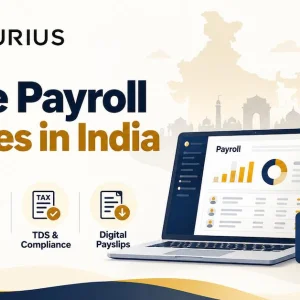
Reliable online payroll services in india
Businesses need an organised payroll system to manage employee salaries, payroll records, and monthly salary
Mercurius & Associates Llp
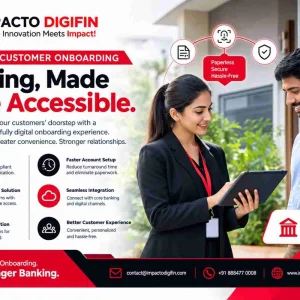
Ai banking solutions for modern financial institutions
AI Banking Solutions enable banks to streamline operations, automate workflows, simplify onboarding, strengthen risk controls,
Daniel Hester
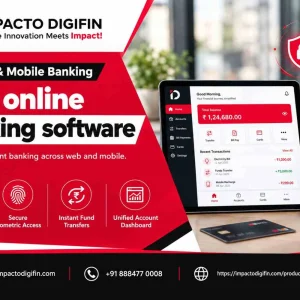
Internet mobile banking software for digital banking
Internet & Mobile Banking software enables customers to access accounts, make payments, manage transactions, and
Daniel Hester
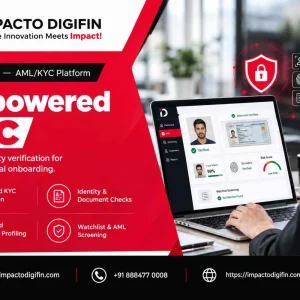
Aml compliance software for financial institutions
AML compliance software enables banks and financial institutions to streamline monitoring, strengthen customer risk controls,
Daniel Hester
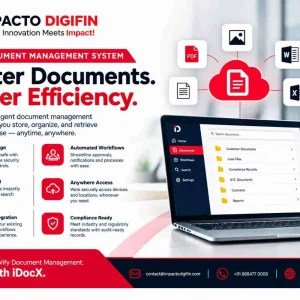
Secure document management software for financial services
Secure document management software enables financial institutions to centralize sensitive files, manage document access, track
Daniel Hester
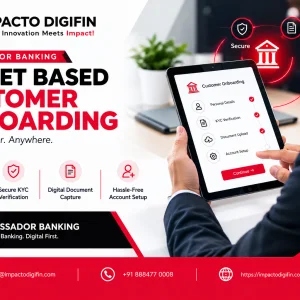
Tablet based customer onboarding for modern banks
Tablet Based customer onboarding enables secure digital data capture, document collection, and verification, helping banks
Daniel Hester
 1,000 INR
Professional company registration support for startups
Startups and emerging businesses often need guidance when selecting a legal business structure and completing
Ruchi Anand & Associates
 1,000 INR
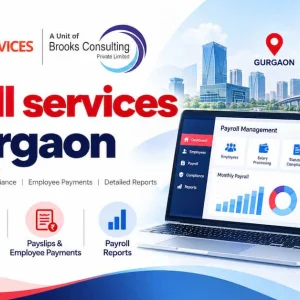
Employee payroll management services in gurgaon
Maintaining accurate employee salary information and organised payroll documentation is an important part of business
Parveen
 1,000 INR
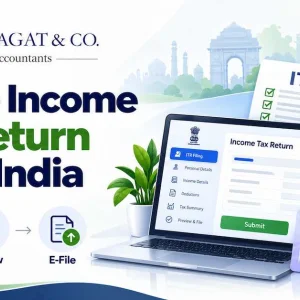
Online income tax filing guidance for individuals and business o
Whether you are an individual taxpayer, entrepreneur, or business owner, understanding your income tax filing
Neeraj Bhagat & Co.
 1,000 INR
Using internal audit software to track compliance and control ac
Compliance reviews and internal control assessments require organizations to examine policies, procedures, supporting records, and
M2I Consulting