Accounting for real estate business: depreciation and asset mana
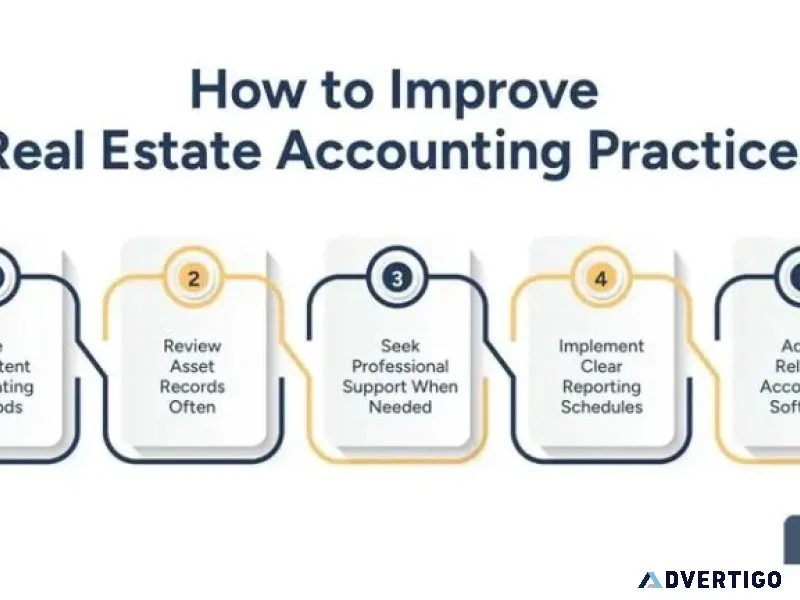
Managing finances in a real estate business can feel confusing, especially when property values rise but accounting records show lower figures. This difference often causes concern during reviews or planning discussions. Many owners wonder which numbers truly reflect their business health. That’s where accounting for real estate business plays a key role. It brings structure to financial data by tracking property costs, usage, and value over time. Instead of guesswork, owners gain a clear picture of how assets change year after year. When handled properly, accounting becomes more than recordkeeping. It supports cash flow planning, tax preparation, and long-term growth decisions. With the right approach, financial reports become easy to understand and useful for action. What This Blog Covers • Core concepts of accounting for real estate business • How depreciation works and why it matters • Simple ways to manage and track property assets • Tips for keeping records accurate and compliant • Using financial data to support smart, long-term decisions Basics of Accounting for Real Estate Business Accounting for real estate business focuses on recording property costs, income, and value changes over time. It includes the purchase price, operating expenses, and how long each asset is expected to last. This structure keeps records organized and supports better financial planning. Why Asset Records Matter Accurate asset records are the foundation of real estate accounting. Every property should have clear details such as purchase cost, construction value, and any major upgrades. These records make it easier to review finances and prepare tax filings. Without proper asset data, reports may show misleading results. Clear records reduce confusion and improve confidence in financial statements. The Importance of Depreciation Depreciation spreads the cost of a property across its useful life. It reflects normal wear and usage rather than sudden value loss. In accounting for real estate business, depreciation helps lower taxable income and presents a more realistic asset value. This allows owners to plan renovations, refinancing, or sales with greater clarity. How Asset Tracking Supports Better Control Tracking assets helps owners understand where money is being spent and how value is changing. It highlights repair needs, rising costs, or underperforming properties. Good tracking also prevents surprises by keeping records current and complete. This leads to stronger financial control and smoother planning. Common Depreciation Methods in Real Estate Different properties and situations call for different depreciation approaches. Choosing the right one keeps records accurate and meaningful. Straight-Line Method This approach spreads the cost evenly across the asset’s life. It is simple and predictable, making it popular for long-term properties with steady use. Accelerated Depreciation Here, more cost is recorded in the ear
-
श्रेणी: वित्तीय सेवाएं
महत्वपूर्ण!
Advertigo पर बहुत सारे विज्ञापनदाता हैं। हम उन्हें एक-एक करके जाँच नहीं कर सकते।
आप अपनी मेहनत की कमाई के लिए एक भरोसेमंद कंपनी चाहते हैं। इसीलिए हम आपको धोखाधड़ी से बचाने में मदद करना चाहते हैं। इस अनुभाग में आपको जानकारीपूर्ण सुझाव और अन्य उपयोगी सामग्री मिलेगी जो आपको सतर्क रहने और ठगों के शिकार होने की संभावना को कम करने में मदद करेगी।
कृपया समझें कि Advertigo.net खरीदारों और विक्रेताओं को एक-दूसरे को खोजने में मदद करने के लिए एक निःशुल्क सेवा है। Advertigo.net किसी भी लेन-देन में शामिल नहीं है और हमारे उपयोगकर्ताओं की गतिविधियों पर नजर नहीं रख सकता।
उपयोगी लिंक
समान विज्ञापन
 30,000 INR
Largest established corporations in india
If you are referring to the largest corporate business houses and enterprises by market capitalization
Muskan Sharma
 560,076 INR
Hr software for small companies to manage employees efficiently
Small companies often have limited resources to manage employee records, attendance, leave requests, and other
Aspire Management System

Nifty 50 live today index price chart constituents top mov
Get the Nifty 50 live price, chart and performance today. See index constituents, top gainers
Pandeymohini
 1,000 INR
Credit risk assessment and portfolio risk management in microfin
Managing credit risk is a critical responsibility for microfinance institutions that provide financial services to
M2I Consulting

Axis small cap fund nav returns holdings
Axis Small Cap Fund: Get same day NAV, SIP returns & risk ratio, fund performance,
Nawaztehreem

Httpsstockbrokerbranchsharekhancommiraeassetsharekhana
Looking for a stock broker in Janakpuri, Delhi? Visit MKS Enterprises II, an authorised Mirae
Ramesh

Open demat account online in a few minutes using 5paisa 20 and
Open demat account online with 5paisa 2.0 in a few minutes. The process is 100%
Raj Yadav
 40,120 INR
Accredited financial analyst afa certification aafm india
Earn the Accredited Financial Analyst (AFA) Certification with AAFM India. Build advanced skills in financial
Aafm India

Forex broker application provider in india
TenaxCode is a reliable forex broker application provider offering technology designed to support brokerage businesses
Tenax Code
Share Transmission Services in India
Expertvuw provides professional share transmission services to help legal heirs and family members transfer shares
Expexpertvuw Mangementertvuw