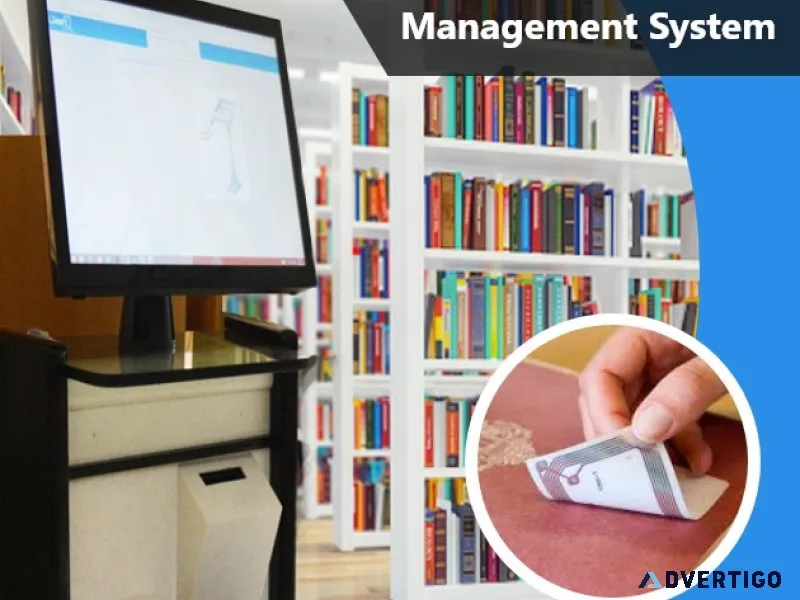
Libsysneo the futuristic library management automation system
RFID (Radio Frequency Identification) library management systems have revolutionized the way libraries operate, offering unparalleled efficiency and convenience. By utilizing RFID technology, libraries can automate various tasks, such as book check-in and check-out, inventory management, and security monitoring. Each book is embedded with a unique RFID tag that contains information about the item, allowing for quick identification and tracking. With RFID-enabled self-checkout stations, patrons can easily borrow books without the need for manual assistance from library staff, reducing waiting times and enhancing the overall user experience. Additionally, RFID gates installed at library exits can detect any unauthorized removal of items, helping to prevent theft and improve security. Moreover, RFID systems streamline inventory management processes by enabling librarians to conduct quick and accurate stocktaking, ensuring that library collections remain up-to-date and organized. Overall, RFID library management systems offer a seamless and efficient solution for modern libraries, empowering them to deliver better services and enhance patron satisfaction. RFID library management system can be a detailed and informative piece. Here s an outline to guide you: 1. Introduction to RFID Library Management Systems: - Define RFID (Radio Frequency Identification) and its application in library management. - Explain how RFID systems work in libraries, including tags, readers, and software. 2. Key Components of an RFID Library Management System: - RFID tags: Describe the tags used to label library materials, including their durability, encoding capabilities, and security features. - RFID readers: Explain the devices used to read RFID tags, including fixed and handheld readers, and their role in inventory management and circulation. - Library management software: Discuss the software used to manage RFID data, including cataloging, circulation, and patron management features. 3. Benefits of RFID Library Management Systems: - Automation: Highlight how RFID systems automate tasks like inventory management, check-in/check-out, and shelf management, saving time and labor. - Accuracy: Discuss how RFID systems improve accuracy in tracking library materials, reducing errors in circulation and inventory. - Security: Explain how RFID systems enhance library security by providing real-time monitoring of materials and detecting unauthorized removal. - User experience: Describe how RFID systems enhance the user experience by streamlining borrowing processes and providing self-service options. - Space optimization: Discuss how RFID systems enable libraries to optimize space by facilitating efficient shelf management and collection organization. 4. Implementation Process: - Planning: Discuss the initial steps involved in planning for the implementation of an RFID library management system, including needs assessment an
-
श्रेणी: वेब डिज़ाइन और तकनीक
महत्वपूर्ण!
Advertigo पर बहुत सारे विज्ञापनदाता हैं। हम उन्हें एक-एक करके जाँच नहीं कर सकते।
आप अपनी मेहनत की कमाई के लिए एक भरोसेमंद कंपनी चाहते हैं। इसीलिए हम आपको धोखाधड़ी से बचाने में मदद करना चाहते हैं। इस अनुभाग में आपको जानकारीपूर्ण सुझाव और अन्य उपयोगी सामग्री मिलेगी जो आपको सतर्क रहने और ठगों के शिकार होने की संभावना को कम करने में मदद करेगी।
कृपया समझें कि Advertigo.net खरीदारों और विक्रेताओं को एक-दूसरे को खोजने में मदद करने के लिए एक निःशुल्क सेवा है। Advertigo.net किसी भी लेन-देन में शामिल नहीं है और हमारे उपयोगकर्ताओं की गतिविधियों पर नजर नहीं रख सकता।
उपयोगी लिंक
समान विज्ञापन

Digital marketing agency in noida
We help brands find their voice through storytelling, design, and strategic innovation. Transform your vision
Varun Menon

Why indian defence contractors are moving to ietm documentation
Technical documentation rarely gets much attention until something goes wrong in the field and a
Sandhya Rathor
 100,000 INR
Ai development company for custom enterprise solutions
Looking for an AI Development Company to turn your business requirements into practical AI solutions?
Naomi Scott

Leading mobile app development company in chennai trusted expe
Team Tweaks Technology is a leading Mobile App Development Company in Chennai offering customized solutions
Johnmorris
 200,000 INR
Smarter brokerage operations with a metatrader 5 clone script
Streamline brokerage operations with a MetaTrader 5 Clone Script designed for forex and multi-asset trading
David Silvester
A look at indias jsg 0852 compliant ietm platform
Technical documentation rarely gets much attention until it fails you at the worst possible moment...
Sandhya Rathor

Gas agency software simplifying lpg distribution and management
Managing an LPG agency involves much more than booking cylinders. From handling customer details and
Amit Sharma

Ai powered mobile app development for personalized user experien
AI powered mobile app development enables businesses to create intelligent applications that deliver personalized user
Proses India
Enterprise ai solutions for modern business applications
Modernize business applications with enterprise AI solutions designed to support intelligent, scalable, and connected software
Codebenders Ai

Seo services kolkata
SEO services Kolkata help businesses improve search rankings, increase organic traffic, enhance online visibility, generate
Webredas Technologies Pvt Ltd