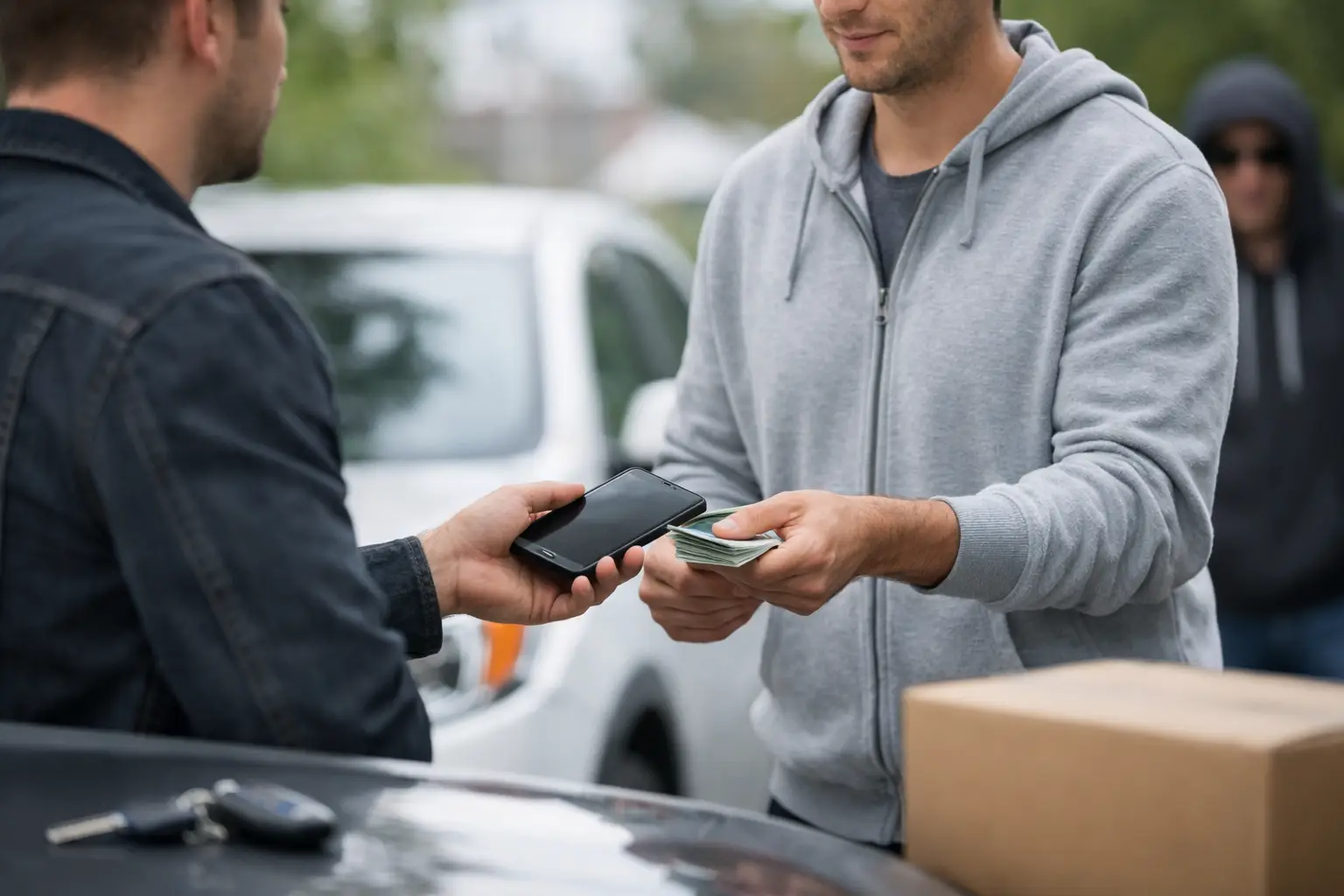
A fast sale can feel great right up until a buyer asks to pay with a fake app screenshot, wants to move the conversation off-platform immediately, or sends someone else to pick up the item. That is why people ask, is selling through classifieds safe? The honest answer is yes, often it is, but only when the seller treats safety as part of the transaction and not as an afterthought.
Classifieds work because they are simple. You post an item, a buyer finds it, and you connect directly. That speed and flexibility are exactly what make them useful for everyday sellers, small businesses, and side hustlers. They are also what make classifieds attractive to scammers who look for rushed decisions, vague listings, and sellers who assume every message is legitimate.
Is selling through classifieds safe for everyday sellers?
For most sellers, classifieds are safe enough when basic precautions are followed consistently. The biggest risks are usually not dramatic. They are ordinary problems that cost time, money, or both - no-shows, fake payment confirmations, overpayment scams, suspicious pickup requests, and attempts to push the conversation into channels where it is harder to verify who you are dealing with.
The safer your process is, the less room there is for those problems. In practice, that means writing a clear listing, keeping communication focused, choosing secure payment methods, and controlling where and how the handoff happens. Most bad outcomes do not start with one huge warning sign. They start with a small exception the seller makes because the buyer sounds urgent or friendly.
That is the trade-off with classifieds. You get low-friction selling and broad exposure, but you also need to manage the transaction yourself. If you want total convenience with built-in handling, another sales channel may suit you better. If you want flexibility and local reach, classifieds can work very well.
Where the real risks usually show up
Scams around classifieds tend to follow familiar patterns. A buyer says they are out of town but will send extra money and arrange shipping. Someone insists on using a payment method that is hard to verify in real time. Another person asks for your personal email or phone number before discussing the item. None of these automatically mean fraud, but each one increases risk.
Payment is where many sellers get caught. A message that says money has been sent is not the same as confirmed funds in your account. A fake screenshot is easy to produce. So is a fake email made to look like it came from a payment service. If you release the item before checking the actual account, you can lose both the product and the money.
Pickup is the second pressure point. Meeting in an isolated location, letting a buyer come inside your home, or agreeing to a late-night handoff all increase exposure. Some sales, especially large furniture or appliances, make home pickup hard to avoid. Even then, you can reduce risk by limiting access, having another adult present, and keeping the item near an entrance or garage.
The third issue is information sharing. Sellers sometimes give out more than they need to - full address too early, personal email, work schedule, or extra photos that reveal location details. A classified ad should help a buyer evaluate the item, not your personal routines.
How to make selling through classifieds safer from the start
A safer transaction usually begins before the first message arrives. Your listing should be specific enough to attract serious buyers and narrow enough to discourage confusion. Include accurate condition details, clear photos, the price, and basic terms such as pickup only, cash only, or no holds if that is how you plan to sell.
This matters because vague ads create more back-and-forth, and more back-and-forth creates more chances for manipulation. If you are selling a phone, say the model, storage size, carrier status, and condition. If you are selling a used appliance, say whether it is tested and whether help is needed for loading. Clarity filters out weak leads.
Price also affects safety. If you price an item far below market value to force a quick sale, you may attract a flood of messages from opportunists, resellers, and scammers. Competitive pricing is smart. Unrealistically low pricing often creates chaos.
Smart communication habits that reduce risk
Keep all early communication focused on the item, price, payment method, and meeting plan. If a buyer immediately pushes for unusual arrangements, that is useful information. You do not need to argue or investigate. You can simply decline and move on.
It helps to keep your responses short and consistent. Confirm whether the item is still available, restate the price, and state your preferred meeting and payment terms. This reduces confusion and makes it easier to spot when a buyer is trying to change the rules.
If someone wants to continue the conversation in a different app or asks for unnecessary personal details, pause. Sometimes buyers prefer texting, and that alone is not suspicious. But moving off-platform too fast can remove context and make it harder to track the original inquiry. Stay with the most controlled channel for as long as practical.
Payment: simple beats clever
The safest payment approach depends on the item. For low-to-mid value local sales, cash at pickup is still one of the simplest options because it is immediate and easy to verify. For higher-value items, meeting at a bank or using a verified instant payment that you confirm directly in your own account can make more sense.
What matters is not the app name. It is whether the payment is final, visible to you, and confirmed before the item leaves your possession. Never rely on screenshots, forwarded emails, or promises that a transfer is pending. If payment has not cleared in a way you can verify yourself, it has not happened.
Be careful with partial payments and deposits. They can help hold a high-demand item, but they also create disputes if the buyer changes their mind. If you accept a deposit, make the terms clear in writing before taking it. For many everyday classified sales, keeping the deal simple and same-day is easier and safer.
Meeting and handoff: control the environment
A public place during daylight is usually the best choice for portable items. Parking lots at busy retail centers or designated safe exchange areas are common options. If the item needs testing, choose a place where that can be done without creating pressure or confusion.
When home pickup is necessary, prepare for it like a transaction, not a casual visit. Keep the item ready near the entrance. Do not invite strangers deeper into the house than necessary. Have another adult present if possible. If you live alone, tell someone when the buyer is expected and when the meeting is over.
For vehicles, electronics, and expensive tools, extra verification is worth the effort. Bring any paperwork you intend to provide, but keep personal documents and unrelated information out of view. If a buyer wants a test drive, go with them and hold their valid license if appropriate under your local norms and comfort level.
Red flags that should end the deal
Some warning signs are strong enough that there is no need to continue. One is overpayment. If a buyer offers more than your asking price and wants the difference sent elsewhere, walk away. Another is urgency without logic, especially when combined with poor explanations or pressure to act before payment is confirmed.
Be cautious if the buyer cannot answer basic questions about the item yet claims they definitely want it. That often signals a mass-message approach rather than a real purchase. Also watch for inconsistent names, strange grammar combined with scripted payment instructions, and requests involving third-party movers for ordinary local items.
Trusting your instincts is useful, but it should not be your only safety tool. Good instincts backed by clear rules are better. If a deal stops matching your normal process, you do not need a dramatic reason to say no.
Classifieds are safer when sellers stay consistent
The question is not just is selling through classifieds safe. A better question is whether your selling routine is safe. The marketplace can bring you buyers quickly, and for many categories that is exactly the value. Platforms like Advertigo give sellers an accessible way to post, get visibility, and connect without heavy setup. But the final steps still depend on seller judgment.
The good news is that safe habits are not complicated. Be clear in the listing. Keep communication focused. Verify payment yourself. Meet in a controlled location. Do not let urgency rewrite your process. Those simple rules handle most of the risk without making selling slow or difficult.
A good classified sale should feel straightforward. If it starts feeling messy, rushed, or oddly complicated, that is usually your cue to step back and wait for a better buyer.