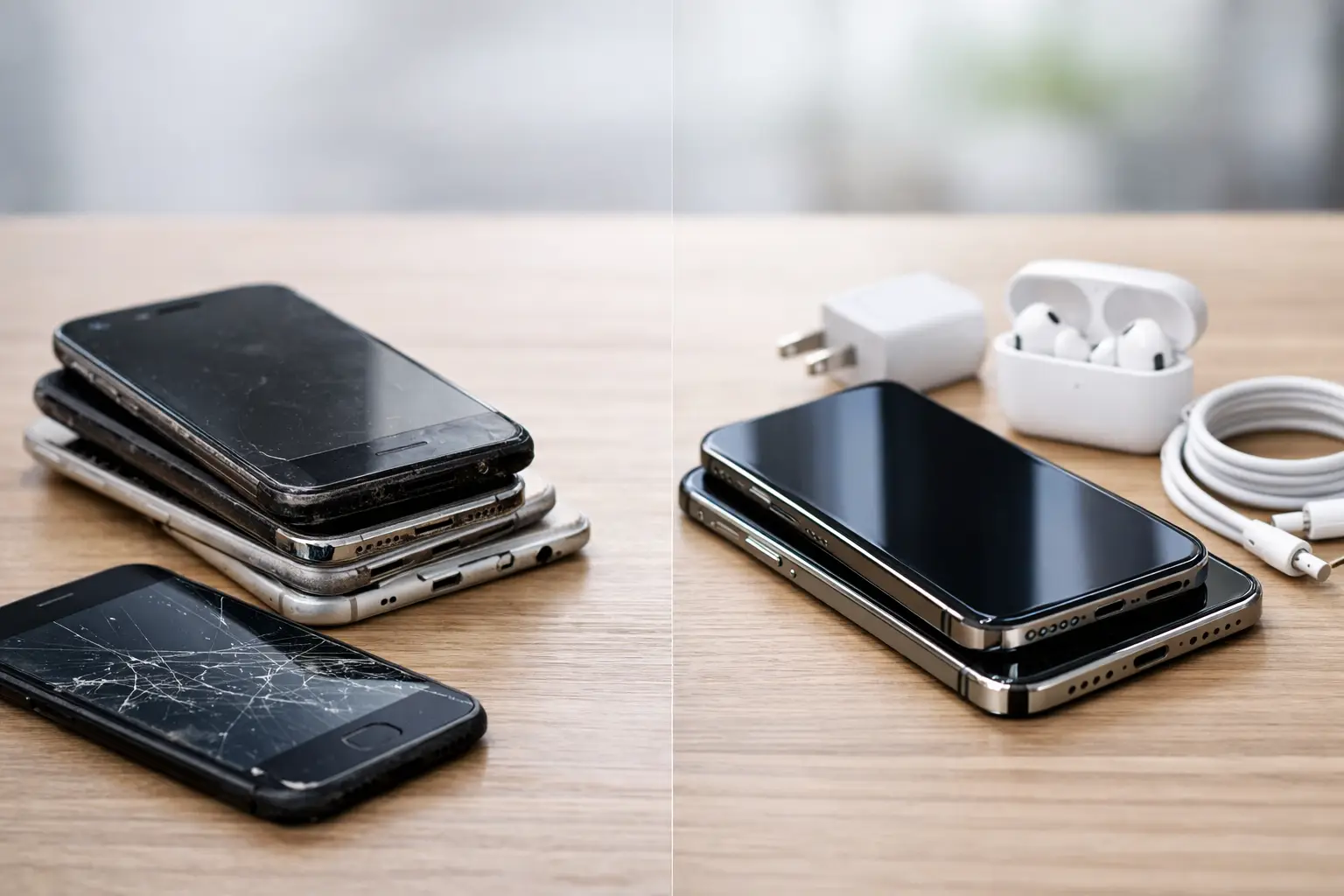
A $200 phone can be a great deal or a fast regret. That is why the used phones vs refurbished question matters more than the sticker price. If you are comparing listings and trying to decide what gives you the best value, the real difference comes down to condition, testing, warranty coverage, and how much risk you are willing to take on.
Used phones vs refurbished: the basic difference
A used phone is typically sold as-is by its current or previous owner. It may work perfectly, or it may come with hidden wear, battery issues, screen damage, or missing accessories. In many cases, the seller is not offering repairs, formal inspection, or any guarantee beyond what you can verify before paying.
A refurbished phone has usually been returned, traded in, or previously owned, then tested, repaired if needed, cleaned, and resold. That sounds safer, and often it is. But refurbished does not always mean like-new. Standards can vary depending on who did the work and what was actually replaced.
That distinction matters when you are buying through marketplace listings. A used phone listing may offer a lower price and room to negotiate. A refurbished phone listing may offer more confidence if the seller clearly states the device condition, repair history, battery health, and any warranty terms.
Price: used usually wins upfront
If your main goal is spending as little as possible, used phones usually come in cheaper. Private sellers are often motivated by speed. They want to clear out a drawer, upgrade to a new device, or make quick cash. That can create strong deals, especially on older iPhones, Samsung Galaxy phones, and unlocked budget models.
Refurbished phones tend to cost more because there is labor behind the resale. Testing, part replacement, cleaning, grading, and sometimes limited warranty support all add cost. Even when the phone looks similar on paper, that extra work can push the price above a standard used listing.
Still, a lower upfront price is not always the better buy. If a used phone needs a battery replacement a month later, your savings disappear quickly. That is the trade-off buyers need to keep in mind.
Condition: refurbished is usually more predictable
The biggest advantage of refurbished is consistency. A seller offering a refurbished phone often grades the device, such as excellent, very good, or fair, and may explain what cosmetic wear to expect. That gives buyers a better idea of what is arriving.
With used phones, condition is more variable. One seller may describe a phone as excellent because it turns on and has a case mark or two. Another seller may be highly accurate and include close-up photos of every scratch. The challenge is that private listings depend heavily on the seller's honesty and how carefully they describe the device.
This does not mean used phones are a bad idea. It means buyers need to verify more. Photos, battery health screenshots, IMEI status, storage size, carrier lock status, and repair history all matter. A good used listing can be a better deal than a refurbished one, but it takes more checking.
Warranty and returns: this is where refurbished has the edge
When buyers compare used phones vs refurbished, warranty support is often the deciding factor. Refurbished devices are more likely to include a limited warranty or return window. Even a short warranty can make a difference if the charging port fails, the speaker cuts out, or the battery drains too fast.
Used phones sold by individuals usually do not come with that protection. Once the sale is done, any issue becomes your problem unless the seller agreed otherwise. For bargain hunters comfortable with some risk, that may be fine. For someone buying a primary phone they need every day, no return option can be a serious downside.
If you are shopping a listing site, read the terms carefully. Some sellers use the word refurbished loosely. If there is no stated testing process, no repair details, and no warranty information, it may not offer much more protection than a standard used phone.
Battery health can change the whole value equation
A phone can look great and still be a poor buy if the battery is near the end of its life. This is especially true with used devices that are a few years old. A battery at 78 percent health may still function, but daily performance can feel frustrating fast.
Refurbished phones may have battery testing as part of the process, and some sellers replace weak batteries before resale. Others do not. That is why buyers should never assume a refurbished phone includes a brand-new battery unless the listing says so.
For used phones, ask directly. On iPhones, battery health is easy to check in settings. On Android phones, battery information can be harder to verify, so the seller's description and usage history matter more. If the battery is original and the phone is several years old, factor replacement cost into your budget.
Repairs are not always bad, but they should be disclosed
Some shoppers avoid repaired phones automatically. That is not always necessary. A phone with a professionally replaced screen or battery can still be a solid buy. The key issue is transparency.
A refurbished phone should clearly state what was repaired or replaced. A used phone seller should disclose whether the screen, camera, charging port, or back glass was changed. Poor-quality replacement parts can affect touch response, brightness, Face ID, fingerprint sensors, or water resistance.
If a seller cannot explain repair history or seems vague about it, move on. There are too many listings available to spend time guessing.
Who should buy used phones
Used phones make the most sense for buyers who want the lowest price and are comfortable checking details themselves. That includes people buying a backup phone, a first phone for a child, a trade-in device, or a short-term replacement.
They also work well for experienced shoppers who know how to inspect a device before paying. If you can verify that the phone is unlocked, not blacklisted, fully functional, and priced below similar listings, buying used can be the smartest move.
This route is especially attractive in local marketplaces, where buyers can message the seller, ask specific questions, and inspect the phone in person before completing the deal.
Who should buy refurbished phones
Refurbished phones are better for buyers who want fewer surprises. If the phone will be your main device for work, school, travel, or daily use, the extra cost can be worth it for added testing and at least some post-sale protection.
They are also a good fit for people who do not want to spend time evaluating every technical detail. A clear refurbished listing with condition notes, battery information, and warranty terms removes a lot of guesswork.
That does not mean every refurbished listing is automatically better. It means the best refurbished options are usually easier to compare and safer to buy when the seller provides complete information.
What to check before you buy either one
Whether you choose used or refurbished, a few details should never be skipped. Confirm the exact model, storage capacity, carrier status, and whether the phone is unlocked. Ask if the phone is fully paid off and not tied to an unpaid financing balance. Make sure activation lock has been removed and the device is ready for a new user.
You should also review photos closely. Look for screen burn, cracked lenses, frame dents, swelling, or signs of water damage. If possible, ask for proof that cameras, speakers, microphones, Face ID or fingerprint unlock, Bluetooth, and charging all work properly.
If you are browsing a classifieds marketplace like Advertigo, compare multiple listings instead of jumping on the first low number you see. Price matters, but clear details matter more. A slightly higher-priced listing with real photos and specific answers is often the better deal.
So which one is the better buy?
If you want the lowest price and can evaluate the phone carefully, used is often the better value. If you want more predictable condition and some level of support after the sale, refurbished is usually the safer buy.
There is no single winner in the used phones vs refurbished debate because the right choice depends on the phone, the seller, and your risk tolerance. A well-priced used phone from a transparent seller can beat a weak refurbished listing. A properly tested refurbished phone with warranty coverage can easily justify the extra cost.
The smart move is not to buy based on label alone. Buy based on proof. A good listing tells you what the phone is, what shape it is in, and what happens if something goes wrong after you pay. That is what turns a cheap phone into a good buy.