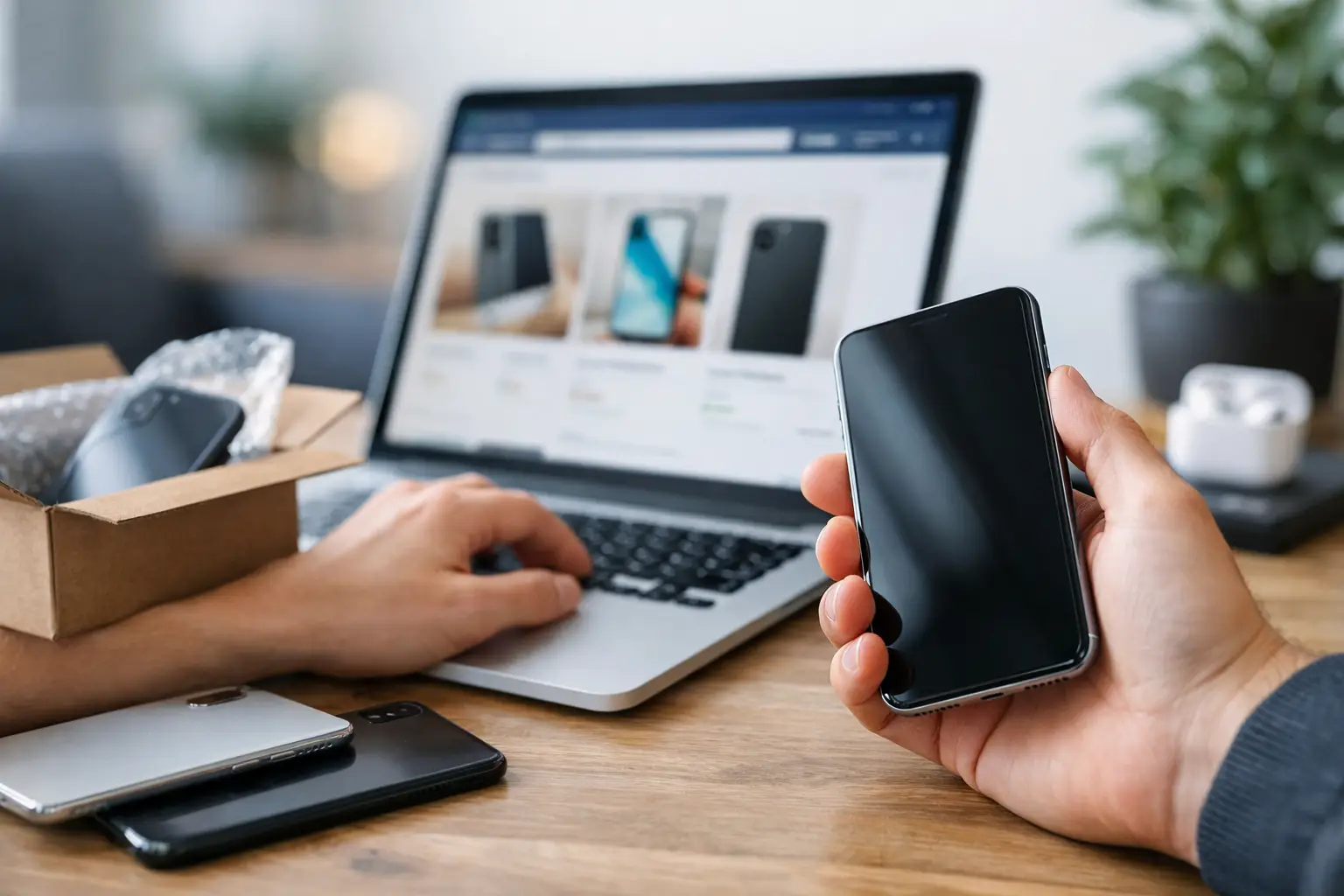
A cheap phone stops being a deal the second it arrives locked, cracked, or one update away from retirement. That is the real challenge with buying used phones online. The price can look great in the listing, but the value depends on what you verify before you pay.
Used phones can be a smart buy for students, families, resellers, and anyone trying to stretch a budget. You can often get a better model for the same money you would spend on a lower-end new device. But the used market has uneven quality. Some sellers are honest and detailed. Others leave out the one fact that matters most.
What matters most when buying used phones online
The first thing to check is not color, storage, or even brand. It is whether the phone will actually work for your carrier and your daily use. A phone can look clean in photos and still be carrier locked, blacklisted, missing key bands, or tied to an unpaid balance. If that happens, the low asking price does not help.
After compatibility, focus on condition. Cosmetic wear is usually manageable. Screen burn, weak battery life, damaged charging ports, Face ID failure, bad speakers, or a nonworking camera are bigger problems because repairs can quickly erase your savings. A used phone is only a good buy if the total cost still makes sense after any fixes.
Age matters too. An older flagship can still outperform a newer budget phone, but only if it has enough software life left. If a device is already near the end of security support, it may not be the best option for banking apps, work use, or long-term daily service.
Start with the listing, not the price
A strong listing usually tells you a lot before you ever message the seller. Look for a clear model name, storage size, carrier status, condition notes, battery details if available, and multiple photos of the actual device. If the ad says only "iPhone for sale" or "Samsung works great" without specifics, you do not have enough information yet.
Photos should show the front, back, sides, and screen powered on. A lock screen image helps confirm the device turns on. Close-ups of corners and ports can reveal drops or heavy wear. If the seller uses only stock product images, ask for real photos before moving forward.
This is where a classifieds marketplace can be useful. You can compare multiple listings in one category, check how sellers describe their items, and quickly spot when one phone is priced far below the rest. Sometimes that is a real bargain. Other times it is a sign that something is missing from the description.
Questions to ask before you buy
When buying used phones online, a few direct questions can save you from a bad purchase. Ask for the exact model number, not just the product name. Some phones look nearly identical across generations, and small differences affect network support, features, and resale value.
Ask whether the phone is unlocked. If it is not, ask which carrier it works with. Also ask whether the phone has any balance owed, has ever been reported lost or stolen, or is linked to an account lock such as Activation Lock or Google account protection. A seller who avoids these questions is giving you useful information, just not the kind you want.
Battery health is worth asking about, especially on older iPhones and heavily used Android devices. A phone with 80 percent battery health may still work fine for light use, but it will not feel like a strong all-day device. If battery data is unavailable, ask how long the phone lasts under normal use and whether it has ever been replaced.
Accessories are secondary, but still worth clarifying. A missing charger is easy to solve. A missing tray, damaged cable port, or unsupported fast charging is a different issue.
How to judge condition realistically
Sellers often use broad words like excellent, good, or fair, but those labels are subjective. One seller's excellent is another buyer's acceptable. It helps to translate condition into practical terms.
Light surface scratches, minor frame wear, and older batteries are common on used phones and may be acceptable if the price reflects them. Deep scratches, cracked glass, dead pixels, camera haze, weak microphones, and charging problems usually deserve a sharper discount because they affect daily use or future repair costs.
Refurbished and used are not always the same thing. A refurbished phone may have been tested, cleaned, and repaired. A standard used phone may simply be sold as-is. Neither is automatically better. What matters is how clearly the condition is described and whether the price fits the risk.
Watch for the hidden deal-breakers
Some problems do not show up in photos. Water damage is one of them. A phone may power on and still have corrosion inside that causes trouble later. Unless the seller can confirm no water exposure, assume some uncertainty if the device has signs of heavy use.
Screen replacement quality is another common issue. Third-party screens can work fine, but some have weaker brightness, poor touch response, or disabled features like True Tone on iPhones. Ask whether any parts were replaced and who did the work.
Then there is the blacklist problem. A blacklisted phone may be blocked from carrier use because it was reported lost, stolen, or tied to nonpayment. This is one of the biggest reasons used phone buyers get burned. Always confirm the status before payment, and be cautious if the seller seems rushed or unwilling to provide identifying details.
Price shopping without fooling yourself
The cheapest listing is not always the best buy. If one phone is $80 below similar listings, ask why. It could be a fast sale from someone upgrading. It could also mean poor battery health, a hidden defect, a lock issue, or no charger, box, or proof of ownership.
A better approach is to compare several listings for the same model and storage size, then adjust based on condition, unlock status, and included extras. That gives you a working market range instead of reacting to a single number. Bargain-minded buyers do better when they price the whole situation, not just the device.
This matters even more if you plan to resell later. A phone bought cheap but carrying cosmetic damage or limited carrier compatibility may be harder to move. Saving upfront is useful, but resale value is part of the equation.
Where buyers usually make mistakes
Most bad used phone purchases come from rushing. Buyers see a low price, assume the seller's wording is enough, and skip the details. Then the phone arrives with a battery that drains by lunch, a camera that does not focus, or a carrier lock that was never mentioned clearly.
Another common mistake is buying too old. A five-year-old flagship can still look impressive on paper, but if software support is ending soon, the value drops. For basic calling and backup use, that may be fine. For everyday use, it is often better to spend a little more on a newer model with more update life.
Buyers also underestimate account locks. If a phone is still tied to the previous owner's account, you may not be able to activate it at all. That is not a minor inconvenience. It can turn the phone into a paperweight.
A practical way to buy with less risk
Start by narrowing your search to two or three models that fit your budget and carrier. Then compare listings based on actual details, not vague condition labels. Message sellers with clear questions and look for direct answers. If a seller knows the device and responds clearly, that usually helps.
Next, verify the basics before paying: exact model, carrier status, unlock status, account lock status, overall condition, and battery health if available. If any one of those is unclear, pause. There will always be another listing.
On a marketplace like Advertigo, that wider inventory can work in your favor. You are not stuck with one offer. You can browse, compare, contact sellers, and move when the details line up.
Buying used makes sense when you stay practical. A little patience beats a fast mistake every time. The right phone is not just the one with the lowest price. It is the one that arrives ready to use, fits your carrier, and still feels like a good deal a month later.