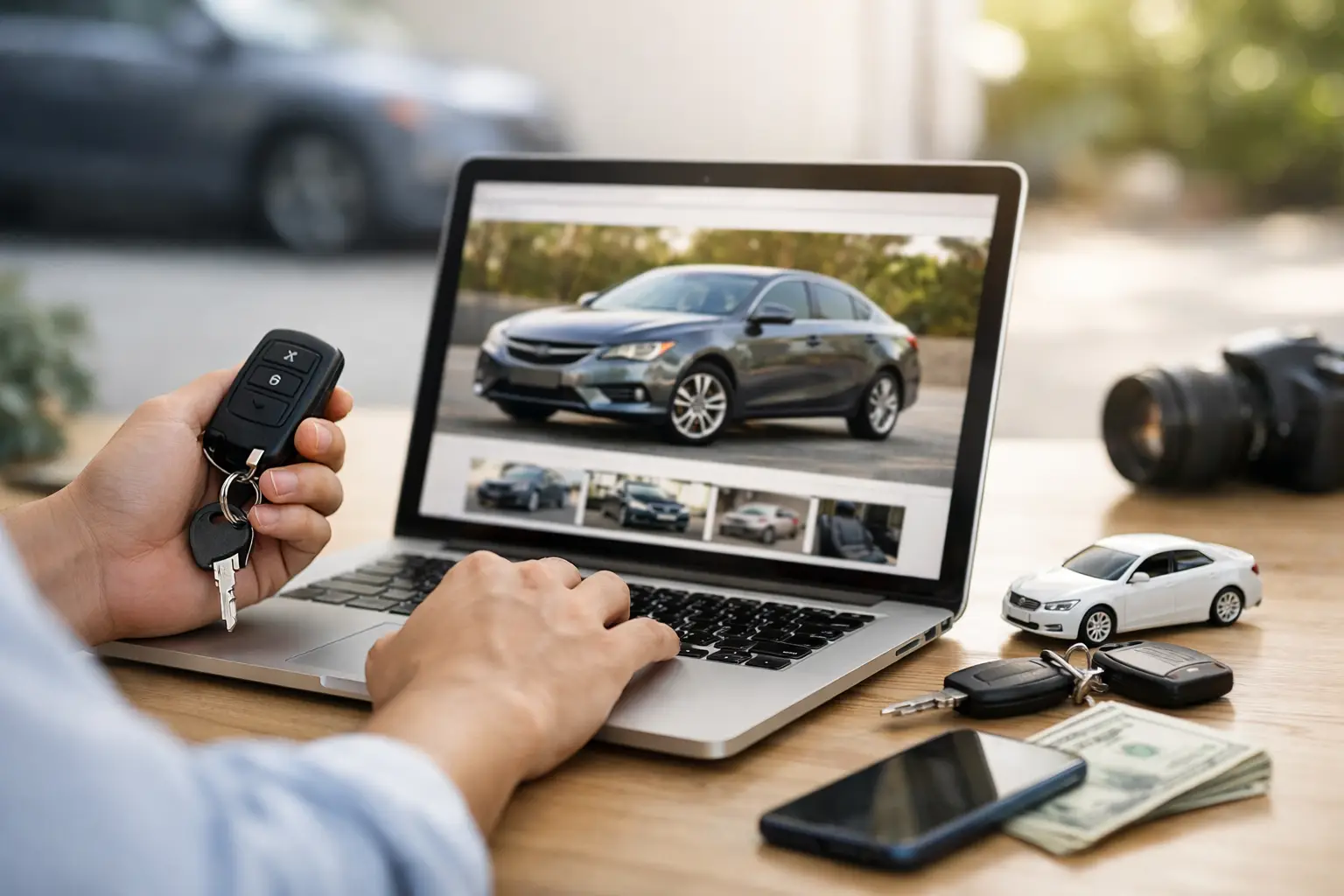
Most online car listings fail before a buyer even clicks. The price is off, the photos are weak, or the description leaves out the details buyers care about. If you want to know how to sell a car online, the goal is simple: make it easy for a serious buyer to trust the listing, compare it quickly, and contact you.
Selling a car online gives you reach and control, but it also puts your ad next to dozens of similar vehicles. That means your listing has to do real work. A clean presentation, realistic price, and fast responses usually matter more than fancy wording.
How to sell a car online without wasting time
The fastest sales usually start before the ad goes live. You do not need to recondition the vehicle like a dealer, but you do need to remove obvious friction. Buyers notice a dirty interior, warning lights, missing paperwork, and vague answers right away.
Start with the basics. Wash the exterior, vacuum the interior, remove personal items, and take care of easy fixes like replacing burned-out bulbs or topping off fluids. If the car has a major issue, do not hide it. A truthful listing gets fewer bad leads and better conversations.
You should also gather the information buyers expect to see. Have the title status, mileage, VIN, maintenance records, trim level, and any recent repairs ready before you post. If you still owe money on the car, know how the payoff process works with your lender. That does not prevent a sale, but it does affect how you explain the transaction.
Price the car for the real market
Pricing is where many private sellers lose momentum. Set it too high and your listing sits. Set it too low and buyers assume something is wrong, or you leave money on the table. The best price is usually close to current market value for your exact vehicle condition, mileage, model year, and local demand.
Look at comparable listings, not just broad estimates. A clean sedan with 70,000 miles in one area may move faster than the same vehicle in another region. Features also matter. Leather seats, all-wheel drive, a clean maintenance history, and newer tires can justify a stronger asking price. Accident history, cosmetic damage, warning lights, or overdue maintenance pull the value down.
It helps to build in a little room for negotiation, but not too much. Online buyers are good at spotting unrealistic pricing. If similar cars are listed at $11,500 to $12,200, posting yours at $14,000 usually does not create leverage. It creates silence.
Take photos that answer buyer questions
Photos sell the click. They do not need to look professional, but they do need to be clear, current, and complete. Take pictures in daylight, in a clean location, with the whole car visible. A crowded parking lot or dark driveway makes the vehicle harder to judge.
Include front, rear, both sides, front seats, back seats, dashboard, odometer, trunk, wheels, engine bay, and any standout features. If there is damage, photograph that too. Buyers appreciate honesty, and clear photos reduce repetitive messages asking about scratches, dents, or tire condition.
Good photos also signal that the seller is organized. That matters more than people think. When a buyer sees eight blurry pictures and a one-line description, trust drops fast.
Write a listing that gets responses
A strong listing is direct and specific. Buyers are scanning, comparing, and filtering quickly. They want enough information to decide whether the car is worth asking about.
Your headline should cover the essentials: year, make, model, and a useful detail like trim or low mileage. The description should explain the condition in plain English. Mention mileage, title status, recent maintenance, known issues, ownership history if relevant, and features that affect value. If the air conditioning works well, say so. If the check engine light is on, say that too.
Avoid filler language. Phrases like "must see" or "runs great" are fine, but only if you support them with facts. "New brakes in March, cold AC, no warning lights, clean title in hand" gives buyers something they can use.
A practical listing might read like this in structure: one short paragraph on the vehicle, one on maintenance and condition, and one on sale terms. Keep it readable. A buyer should understand the car in less than a minute.
Choose the right marketplace and category
Where you post affects the quality of leads. A general classifieds site can work well when buyers are actively browsing by category and location, especially if you want broad exposure without a high listing cost. That is one reason many sellers use platforms like Advertigo to post vehicle listings and reach local shoppers without adding extra friction.
Category placement matters too. List the vehicle in the correct section, use the right make and model details, and complete as many relevant fields as the platform allows. These small steps help your ad appear in the searches buyers are already making.
If the marketplace offers featured placement, it can make sense for a car that competes in a crowded category. That said, visibility only helps if the listing itself is strong. Paying for more views will not fix weak photos or a bad price.
Respond like a seller who is ready to close
A good listing attracts interest. Fast, clear replies turn that interest into appointments. Many buyers message several sellers at once, and the first one with a useful response often gets the lead.
Answer basic questions directly. Confirm availability, mileage, title status, and whether the price is firm or negotiable. If someone asks for more photos or a video walkaround, send them if you can. The easier you make the process, the more likely the buyer is to keep moving forward.
At the same time, protect your time. If a message is vague, reply with a simple next step. Ask whether they want to schedule a time to see the car or if they have specific questions. This helps separate active buyers from casual browsers.
Handle test drives and meetings safely
When learning how to sell a car online, safety is part of the job. Meet in a public place during daylight when possible. Some sellers use a busy parking lot or another visible location. Bring someone with you if that makes you more comfortable.
Before a test drive, confirm that the buyer has a valid driver’s license. Ride along if you choose to allow a drive, and plan a short route. If local insurance rules or your comfort level make test drives difficult, be upfront about how you handle them.
Cash is common for lower-priced vehicles, but for higher amounts, a verified cashier’s check or bank-assisted transaction is usually a better option. If there is a lien, meeting at the lender’s branch can simplify the payoff and title process.
Expect negotiation, but keep control
Most buyers will negotiate. That is normal. What matters is knowing your minimum acceptable price before the conversation starts. If you are unsure, you will either give away money or stall the deal.
Stay focused on facts. If a buyer points out worn tires, cosmetic scratches, or a cracked windshield, they are not necessarily trying to lowball you. They may be making a fair adjustment. On the other hand, if someone offers far below market without even seeing the car, you do not need to chase that lead.
A simple response works best: the price is firm, or you are open to reasonable offers after they inspect the vehicle. That keeps the discussion clean and avoids endless back-and-forth in messages.
Finish the paperwork the right way
Closing the sale is more than collecting payment. You also need to complete the transfer correctly based on your state requirements. That usually includes signing the title, creating a bill of sale if needed, removing your plates when required, and filing any release of liability or notice of sale.
Canceling insurance too early can create problems, but keeping it active after the transfer is unnecessary. Time it carefully. You should also remove personal data from the car, including saved addresses, garage codes, and synced phone information.
If the sale feels rushed or unclear, slow it down. A legitimate buyer will understand that you want the paperwork done properly.
The mistakes that slow a sale
Most delays come from a short list of problems: weak photos, vague descriptions, inflated pricing, slow replies, and hidden issues that show up late. None of these are hard to avoid, but they do require some effort upfront.
The sellers who move cars faster usually do the simple things well. They price realistically, tell the truth, post complete information, and stay available when buyers respond. That is what builds trust online.
If your listing is not getting traction after several days, do not assume the market is dead. Review the ad like a buyer would. The price may need adjustment, the first photo may be weak, or the description may be missing key facts.
A car listing works best when it answers questions before they are asked. Do that, and you will spend less time sorting through dead-end messages and more time talking to people who are ready to buy. That is usually the difference between a listing that sits and a listing that sells.