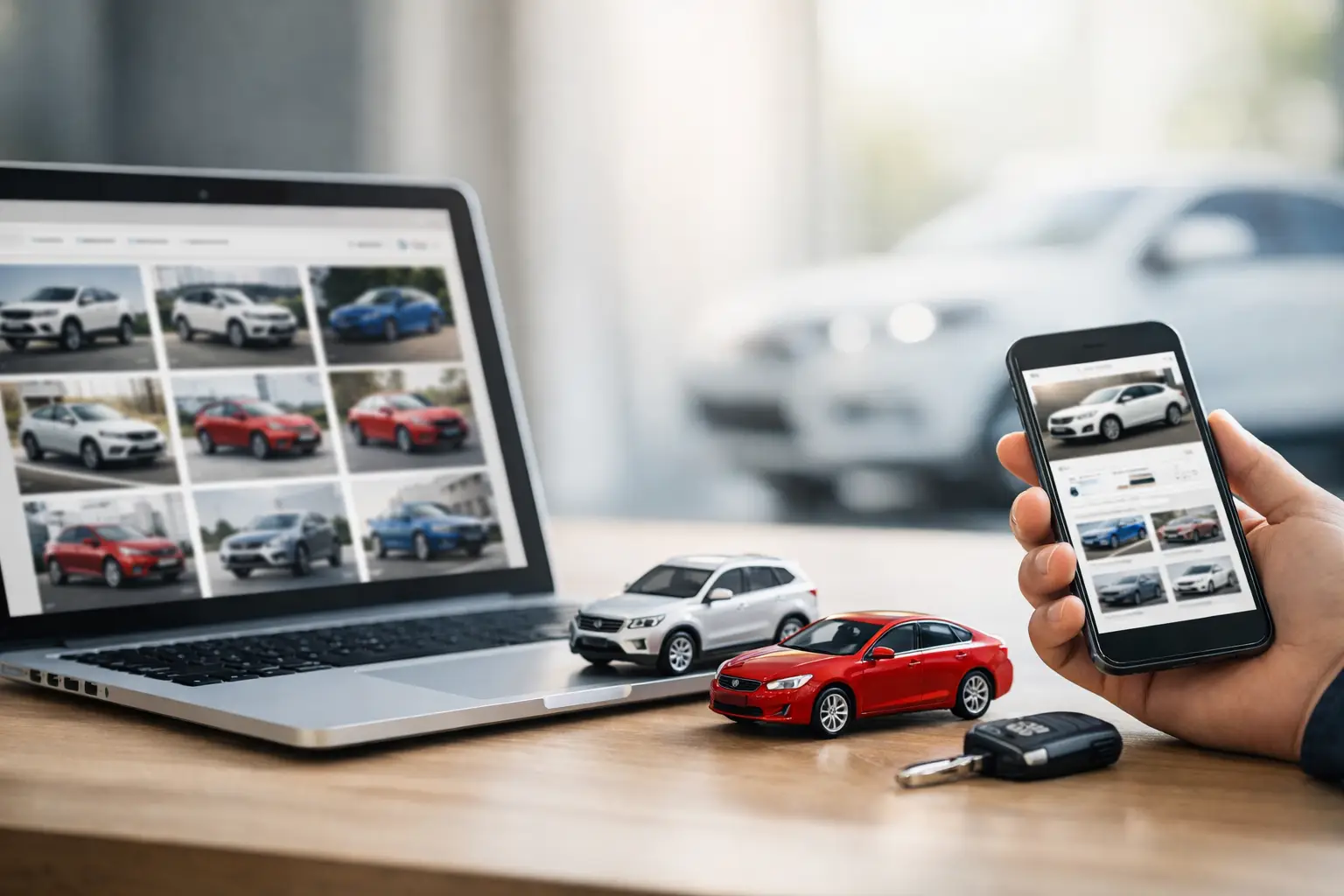
If you need to move a car fast, where you list it matters almost as much as the price. The best sites for selling cars are not all built for the same kind of seller. Some give you local exposure and direct buyer contact. Others trade speed for a lower payout. The right choice depends on whether you want the most cash, the least hassle, or a quick sale this week.
A lot of sellers make the same mistake. They post everywhere, use the same short description on every site, and hope one listing sticks. That usually leads to low-quality messages, wasted time, and price cuts that could have been avoided. A better approach is to match the platform to the vehicle and your selling goal.
What makes the best sites for selling cars
A good car-selling site does three things well. It brings in real buyers, makes your listing easy to understand, and gives you enough control over the process. If a platform has traffic but weak search filters, buyers may never find your vehicle. If it is easy to post but attracts mostly bargain hunters, you may sell quickly but leave money on the table.
For most private sellers, the main trade-off is simple. Classified-style sites usually give you more pricing control and potentially better offers, but they require more effort. Instant-buy platforms are faster and easier, but convenience often comes with a lower final number. There is no single best answer for everyone.
10 best sites for selling cars
1. Advertigo
For sellers who want a low-cost, straightforward classifieds option, Advertigo fits the basics well. You can post a listing, reach shoppers browsing by category, and keep control over your asking price and buyer conversations. That works well for local sellers who do not want the friction of a complicated dealer-style system.
Its value is practical rather than flashy. If your goal is to get your car in front of active marketplace users without paying heavy listing costs, a general classifieds platform can make sense. This is especially useful for older vehicles, commuter cars, and budget-friendly listings that appeal to price-conscious local buyers.
2. Facebook Marketplace
Facebook Marketplace is one of the first places many private sellers try, mostly because local traffic is strong and posting is quick. Buyers can message fast, compare similar listings nearby, and often make decisions based on convenience.
The downside is that speed can bring noise. Expect low offers, generic messages, and buyers who disappear after asking if the car is available. If you use it, your photos and description need to answer common questions upfront so you spend less time repeating details.
3. Craigslist
Craigslist is still relevant in many local markets, especially for older used cars and lower-priced vehicles. It has a simple format, and buyers who shop there are usually ready to browse listings directly without a lot of extra features getting in the way.
That said, it requires some caution. Scam awareness matters, and listing quality matters even more because the platform itself does not do much to elevate weak ads. A clean title, accurate mileage, service history, and clear contact rules will improve your results.
4. Autotrader
Autotrader works well for sellers who want a more car-focused audience. People shopping there are typically comparing makes, models, trims, and pricing in a more intentional way than they do on a general marketplace.
This can help if your car is newer, has desirable features, or sits in a mid-to-higher price range where buyers research carefully. The trade-off is that some sellers may find the process more structured and less casual than local classifieds.
5. Cars.com
Cars.com is another strong option for shoppers who are deep into vehicle research. It tends to attract buyers who want specifics, so detailed listings perform better there than short, basic ads.
If you are selling a vehicle with strong maintenance records, newer safety features, or trim-level upgrades, that extra detail can work in your favor. It is a better fit for sellers who are willing to build a complete listing rather than just post a few photos and a price.
6. CarGurus
CarGurus is known for pricing visibility. Buyers often use it to compare whether a listing looks like a fair deal, a great deal, or an overpriced one. That can help realistic sellers get traction quickly.
It can also pressure pricing. If your car is listed above similar inventory, expect buyers to notice. This site rewards sellers who understand current market value and can justify the asking price with condition, mileage, and service history.
7. Carvana
Carvana is a good example of the instant-offer model. You enter your vehicle information, get an offer, and avoid most of the back-and-forth that comes with private-party selling.
For busy sellers, that convenience is the whole point. You are not fielding dozens of messages or arranging test drives. But if maximizing sale price is your top priority, this route may not be your best option. You are paying for speed and reduced effort.
8. CarMax
CarMax gives sellers a familiar, low-friction path. You can get an appraisal and sell without creating a public listing or negotiating with individual buyers.
This works well for people who care more about a predictable transaction than squeezing out every extra dollar. If your car is clean, common, and easy to value, the process can be especially straightforward. If it is rare, highly modified, or worth more in a niche enthusiast market, you may do better elsewhere.
9. Edmunds instant cash programs
Edmunds is often part of the instant-offer conversation because it helps connect sellers with dealer purchase options. The appeal is similar to other quick-sale tools. You save time and avoid the uncertainty of private buyer conversations.
The limitation is also similar. Dealer-backed offers can be practical, but they are not designed to beat the highest possible private-party price in every case. This route is best when time and simplicity matter more than holding out for the top number.
10. eBay Motors
eBay Motors makes more sense for certain types of vehicles than for the average daily driver. It can be useful for specialty cars, collector vehicles, hard-to-find trims, or inventory that has appeal beyond your immediate area.
Because the audience is broader, the listing needs to be stronger. Buyers may ask detailed questions, request extra photos, or want shipping information. If you are selling a standard commuter car locally, this may be more effort than necessary. If you are selling something uncommon, the reach can be worth it.
How to choose between car-selling sites
Start with your real priority, not the one that sounds best. Most sellers want all three - top price, fast sale, and zero hassle - but usually you get to optimize for one or two.
If you want the highest possible return, private-party classifieds and marketplace listings are usually the better path. You control the asking price, can compare buyer interest, and negotiate directly. This takes more time, and you need to manage inquiries, test drives, and paperwork carefully.
If you want speed, instant-buy and dealer-offer sites are often the better fit. You may get less than a patient private sale would bring, but the process is easier to finish quickly. That matters if you are relocating, replacing a vehicle, or just done dealing with it.
If your vehicle is older, inexpensive, or aimed at local budget buyers, broad classifieds often outperform more specialized platforms. If the car is newer, higher value, or feature-heavy, a car-focused site may help serious buyers find it faster.
What helps your listing perform better on any site
The platform matters, but the listing still does most of the work. Good photos are not optional. Take clear images in daylight, show the exterior from multiple angles, include the interior, dashboard, tires, and cargo area, and do not hide wear. Buyers assume the unseen parts are worse.
Your description should answer practical questions fast. Include year, make, model, trim, mileage, title status, condition, known issues, maintenance history, and any recent repairs. If there is a dent, say so. If the tires are new, say that too. Honest detail filters out bad leads and builds trust with serious ones.
Pricing needs discipline. Check comparable listings in your area, but do not copy unrealistic asking prices from unsold cars. If you price too high, your listing gets ignored. If you price too low, buyers may assume something is wrong. A fair number with room for light negotiation is often the strongest position.
Finally, think about buyer friction. Be clear about when the car is available to see, what payment methods you will accept, and whether the price is firm. The easier you make the next step, the easier it is to turn interest into a real sale.
The best site is the one that matches how you actually want to sell. Pick the platform that fits your timeline, write a listing that answers real buyer questions, and let the market work from there.